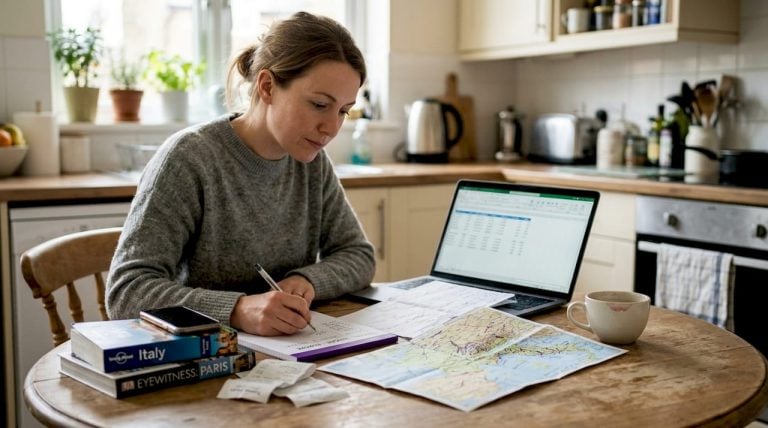
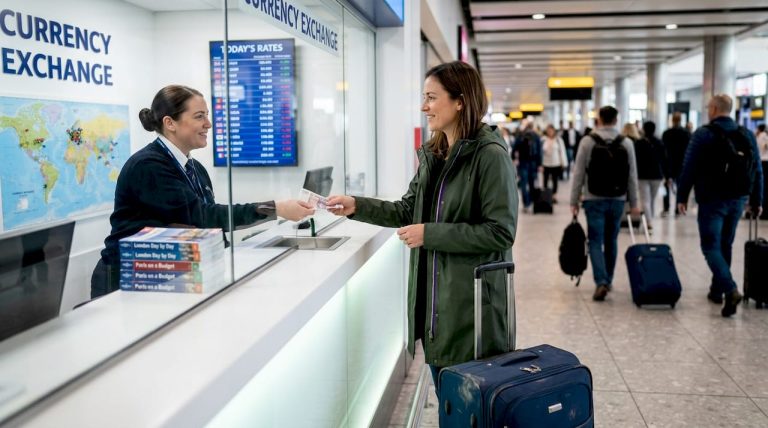
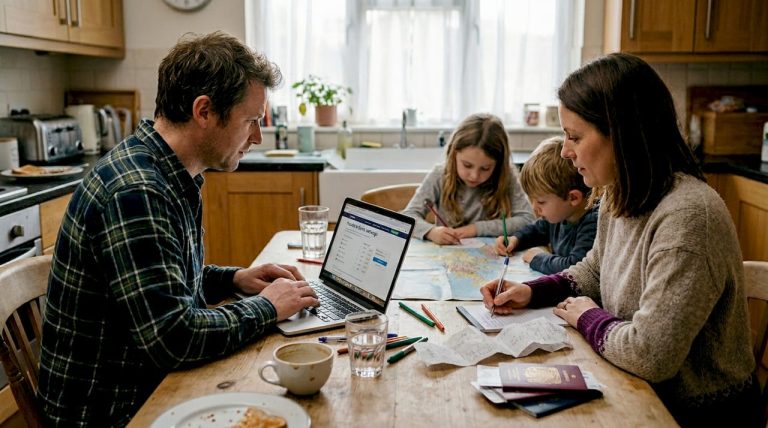
Nearly 67% of UK travellers overspent on their last international trip, with food being the biggest culprit. That figure is striking, but it is not surprising. Most people book flights and hotels with care, then leave their day-to-day spending entirely to chance. The result is a holiday that costs far more than planned, followed by the familiar post-trip financial hangover. The good news is that overspending abroad is largely avoidable. With the right preparation, a realistic budget, and a few smart habits, you can travel confidently without watching your wallet drain faster than your sunscreen.
Table of Contents
- Understanding your travel money needs
- Creating a realistic travel budget: Step-by-step
- Managing money abroad: Payment methods and top tips
- Avoiding common travel money mistakes
- A realistic approach to travel budgeting: The truth most guides ignore
- Compare rates and ensure your money goes further
- Frequently asked questions
Key Takeaways
| Point | Details |
|---|---|
| Budget by category | Always break down travel expenses by type and include a safety buffer. |
| Mix payment methods | Use both cash and cards to manage risks and avoid fees abroad. |
| Watch for common pitfalls | Plan for food costs and unexpected spending to avoid overshooting your budget. |
| Compare exchange rates | Using online tools boosts your currency’s value and minimises unnecessary losses. |
Understanding your travel money needs
Before you can build a budget, you need to understand what you are actually budgeting for. Travel spending falls into four broad categories: accommodation, food and drink, transport, and activities. Most travellers account for the first two but underestimate the latter pair significantly.
Accommodation is usually the easiest to pin down because you book it in advance. Food is trickier. A sit-down meal in Tokyo costs very differently from one in Lisbon. Local transport, including buses, taxis, metro passes, and ride-hailing apps, adds up quickly when you are moving around daily. Activities such as museum entry, tours, and day trips are often treated as spontaneous decisions, which is precisely why they blow budgets.
Before you travel, research the typical daily costs for your destination. Travel forums, recent blog posts, and cost-of-living comparison sites all provide useful data. The table below gives a rough guide to daily spending ranges across popular destinations for UK travellers:
| Destination | Budget daily spend | Mid-range daily spend |
|---|---|---|
| Thailand | £40–£60 | £80–£120 |
| Spain | £60–£90 | £120–£180 |
| USA | £100–£150 | £200–£300 |
| Japan | £70–£110 | £150–£220 |
| Maldives | £200–£350 | £400–£600 |
These figures are starting points, not guarantees. Costs shift with seasons, local inflation, and your personal travel style.
One factor many travellers overlook entirely is exchange rate volatility. The pound’s value against foreign currencies can shift meaningfully over weeks or months. Understanding exchange rates and your budget is essential because a 5% swing in the rate can add or subtract a noticeable sum from your overall spend, especially on longer trips.
Key categories to research before you travel:
- Accommodation: Nightly rate multiplied by number of nights
- Food and drink: Average meal costs, including street food and supermarkets
- Local transport: Daily pass costs, taxi estimates, or car hire
- Activities: Entry fees, tours, and excursions
- Miscellaneous: Souvenirs, tips, laundry, and unexpected costs
Pro Tip: Set a realistic daily budget by researching local costs and adding a 10–20% buffer to cover surprises. This single habit prevents the majority of holiday overspending.
Creating a realistic travel budget: Step-by-step
With a clear picture of your likely expenses, you can now build a budget that actually holds up in practice. Here is a straightforward process to follow:
- Calculate your base daily cost. Add up accommodation, food, transport, and activities for a typical day at your destination. Use real figures from recent sources, not guesses.
- Multiply by your trip length. A 10-night trip at £100 per day gives you a base budget of £1,000. Simple, but many travellers skip this step entirely.
- Add fixed costs. Flights, travel insurance, visas, and pre-booked excursions are separate from your daily spend. List them individually.
- Apply a 10–20% buffer. This covers currency fluctuations, price rises, and the inevitable extras. Adding a budget buffer is not pessimism; it is good planning.
- Set a daily spending limit. Divide your total holiday fund (minus fixed costs) by the number of days. Track against this figure daily using a notes app or travel budgeting app.
- Review and adjust mid-trip. If you overspend on day three, cut back on day four. Budgets are living documents, not rigid rules.
One of the most common travel budgeting mistakes is treating the budget as a one-time calculation rather than an ongoing tool. Check in with your spending every evening. It takes two minutes and saves real money.
To illustrate the difference between destination types, consider this comparison:
| Trip type | Daily cost estimate | 10-night total (inc. 15% buffer) |
|---|---|---|
| Budget destination (e.g. Vietnam) | £55 | £632 |
| Mid-range destination (e.g. Greece) | £120 | £1,380 |
| High-cost destination (e.g. Norway) | £300 | £3,450 |
Expensive regions can cost £250–400 per day versus £70–150 for cheaper destinations. That gap is enormous over a fortnight, which is why destination choice is itself a budgeting decision.
Pro Tip: Use Google Maps to check the price range of restaurants near your accommodation before you arrive. It takes five minutes and gives you a realistic food budget rather than a hopeful one.
Managing money abroad: Payment methods and top tips
Having a budget is one thing. Sticking to it whilst navigating foreign ATMs, card surcharges, and unfamiliar currencies is another challenge entirely. Your choice of payment method has a direct impact on how much you actually spend.
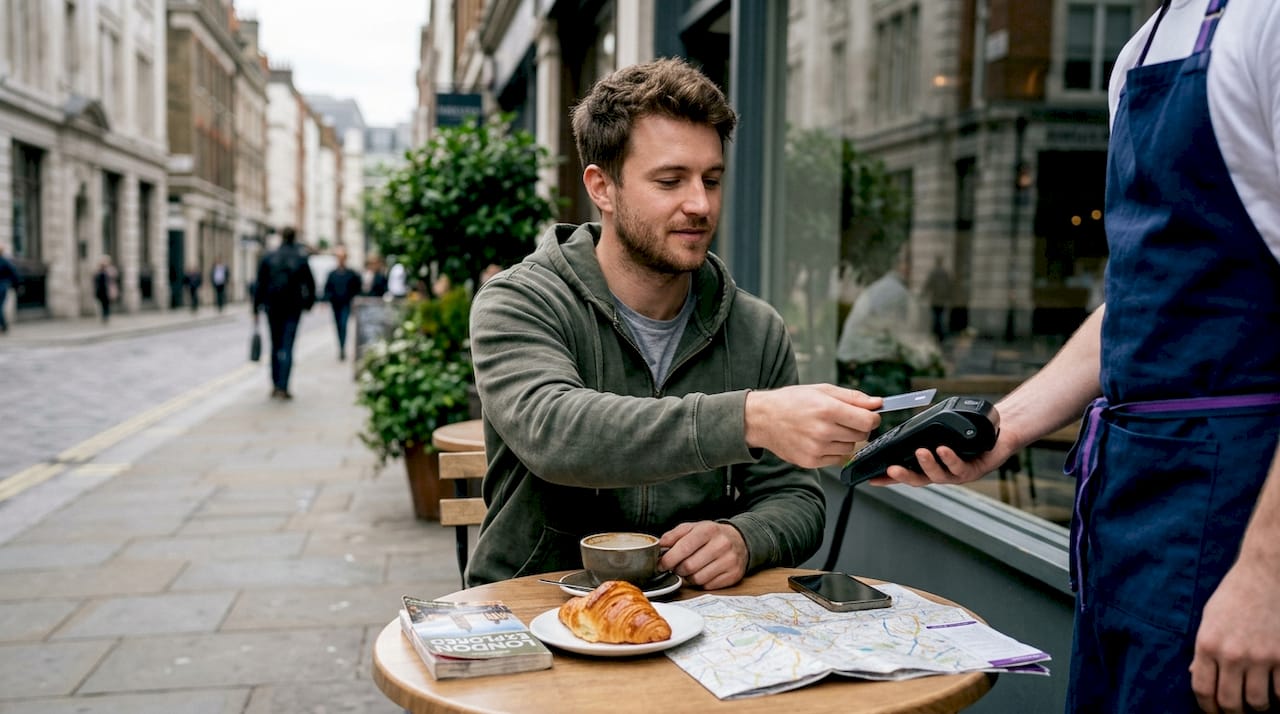
The three main options are cash, debit or credit cards, and prepaid travel cards. Each has strengths and weaknesses depending on your destination and spending habits.
Cash is universally accepted and helps you stay aware of spending. However, carrying large amounts is risky, and exchanging at airports or hotels typically means poor rates.
Debit and credit cards are convenient, but foreign transaction fees and ATM withdrawal charges can erode your budget. Some UK banks, such as Starling and Chase, offer fee-free spending abroad, which is worth considering before you travel.
Prepaid travel cards let you load a fixed amount at a set exchange rate, giving you cost certainty. They also limit your exposure if lost or stolen. Understanding the difference between cash vs currency card options helps you choose the right tool for your trip.
Key tips for managing money abroad:
- Notify your bank before departure to avoid blocked transactions
- Use ATMs affiliated with major banks rather than standalone machines in tourist areas
- Always pay in the local currency when given a choice, as dynamic currency conversion adds a hidden markup
- Keep emergency cash separate from your main wallet
- Avoid exchanging money at airports where rates are consistently poor
For a deeper look at using cash and cards abroad, the advice is consistent: a combination of methods reduces both risk and cost. As official guidance confirms, mixing cash and cards whilst notifying your bank of travel plans is the safest and most practical approach.
Pro Tip: Lock in your exchange rate before you travel by ordering currency online through a comparison platform. Rates online are almost always better than those available at the airport.
Avoiding common travel money mistakes
Even well-prepared travellers make financial missteps abroad. Knowing the most common errors in advance puts you in a much stronger position to avoid them.
- Underestimating daily costs. Most people base their estimates on best-case scenarios. Factor in a bad weather day when you take taxis instead of walking, or a tourist trap restaurant when you are tired and hungry.
- Skipping travel insurance. A single medical emergency abroad can cost tens of thousands of pounds. Insurance is not an optional extra; it is a core part of your travel budget.
- Ignoring exchange rate changes. Rates shift constantly. Buying all your currency at once, months before travel, can backfire if the rate moves in your favour later. Equally, leaving it to the last minute is risky.
- Relying on a single payment method. If your card is blocked or lost, having no cash backup is a serious problem.
- Forgetting to account for tipping culture. In the USA, tipping 18–20% is standard. In Japan, it is considered rude. Research local customs before you go.
48% of UK travellers adjust their holiday plans due to rising costs. That figure reflects how many people are caught off-guard by expenses they could have anticipated.
Preventative steps for each mistake:
- Use travel money saving tips to identify where your specific destination tends to catch travellers out
- Book insurance at the same time as your flights, not as an afterthought
- Monitor exchange rates in the weeks before travel and buy in stages if uncertain
- Always carry a small amount of local cash as a backup
- Research tipping norms and factor them into your daily food and transport budget
The travellers who overspend are rarely reckless. They are simply underprepared. A small amount of research before departure removes most of the financial surprises that derail holiday budgets.
A realistic approach to travel budgeting: The truth most guides ignore
Most budgeting guides present travel finance as a maths problem with a clean solution. In reality, it is messier than that. Exchange rates move. Plans change. You get ill, miss a connection, or discover an unmissable experience that was not in the itinerary. Perfect budgeting is a myth. What actually works is building enough flexibility into your plan that surprises do not become crises.
The travellers who manage money best abroad are not those with the most detailed spreadsheets. They are the ones who set honest expectations, carry a financial cushion, and check their spending regularly without obsessing over every penny.
It is also worth acknowledging that financial stress on holiday is not evenly distributed. Low-income travellers and ethnic minorities may be more significantly impacted by unexpected costs and should plan further ahead, allowing more time to compare rates and build reserves. For these groups especially, getting the best exchange rates well in advance can make a meaningful difference to the overall trip cost. The gap between the best and worst exchange rate on the market is often 5–8%, which on a £1,000 currency purchase is £50–£80 saved or lost.
Compare rates and ensure your money goes further
You have now got the knowledge to plan a travel budget that actually works. The next step is making sure the currency you buy stretches as far as possible.
At CompareTravelCash.co.uk, you can compare travel money rates from multiple UK providers in seconds, so you are never stuck with a poor deal. Whether you want to check Hays Travel rates or explore prepaid currency card comparisons, the platform puts all your options in one place. Booking online in advance consistently beats airport and high-street rates, and the savings add up quickly. Smarter budgeting starts before you even pack your bags.
Frequently asked questions
How do I calculate a safe daily travel budget?
Research the cost of accommodation, food, transport, and activities at your destination, then add a 10–20% buffer on top to cover emergencies and unexpected expenses.
Should I use cash or cards when travelling abroad?
A mix of both is generally the safest approach; always notify your bank before you travel to avoid your card being blocked.
How much does the average UK traveller spend per day abroad?
Expensive destinations such as Scandinavia or the Maldives can cost £250–400 per day, while budget-friendly locations typically range from £70–150 per day.
Why do so many UK travellers overspend on holiday?
Most overspending is driven by poor pre-trip planning and underestimating food costs; 67% of UK travellers overspent on their last trip, with food cited as the primary reason.