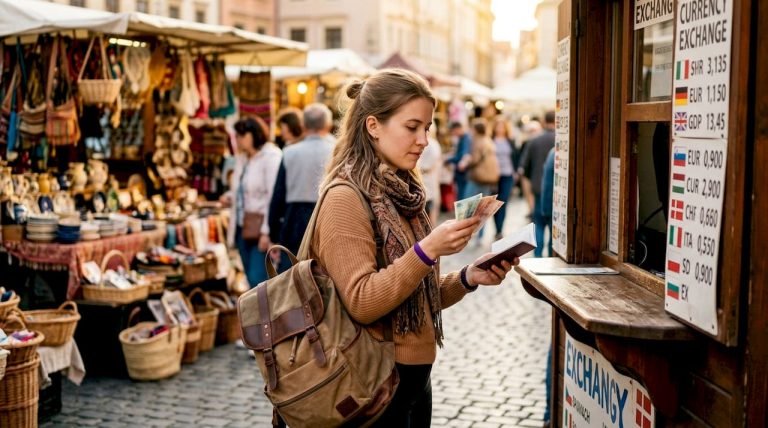
Pack your bags and get ready for an unforgettable term. Studying abroad brings new friends, amazing food, and incredible experiences. It also brings the very real challenge of managing your own money in a foreign country. Navigating a new currency and stretching your student budget might seem daunting, but a little preparation goes a long way.
Here is everything you need to know to make your money last from orientation week to your final exams.
Taking Cash: Be Prepared for Cash-Only Situations
Not every country or region is card-friendly—some places rely heavily on cash, especially for smaller purchases, transport, or local markets. Even major cities can have surprising pockets of “cash only” spots, and rural areas often won’t accept cards at all.
- Plan ahead: Research your destination and find out how widely cards are accepted. Always have enough local currency for your first few days, including transport from the airport.
- Divide and store safely: Don’t carry all your cash at once. Split it between your wallet, a hidden pouch, and a secure place in your accommodation.
- Avoid airport exchange rates: Get your currency sorted before you travel for better rates and lower fees.
- Know your notes: Some countries have multiple versions of their currency, or smaller denominations preferred for daily transactions.
For up-to-date tips on the best rates and places to get travel money, check out comparetravelcash.co.uk. Our student guides and exchange rate comparisons can help you plan and save more on every withdrawal or exchange.
The Great Banking Debate: Local vs. Digital
Your first major financial decision abroad is figuring out where to keep your money. You generally have two choices: opening a traditional local bank account or using a digital bank.
Digital Banks (Revolut, Wise)
Digital banks are highly popular among international students for good reason. You can set them up from your phone before you even leave home.
- The Perks: They offer excellent exchange rates, low transfer fees, and the ability to hold multiple currencies at once. The apps also automatically categorise your spending.
- The Catch: Some landlords or local subscription services (such as a gym or mobile phone plan) may require a local IBAN to process direct debits.
- Action Step: Download a digital banking app before your departure. Order a physical card as a backup to your mobile wallet.
Local Bank Accounts
If you plan to work part-time or your university requires a local account to disburse your Erasmus grant, you will need to go the traditional route.
- The Perks: You get a local IBAN, making rent and local bills effortless. You also get easy access to physical branches if you need in-person help.
- The Catch: Setting up an account often involves paperwork, proof of address, and potentially a language barrier.
- Action Step: Check with your host university. They usually partner with specific local banks that offer free student accounts and simplified signup processes.
Mastering the Exchange Rate Rollercoaster
When your home currency differs from your host country’s currency, your budget becomes a moving target. A favourable exchange rate one month might turn against you the next.
- Build a buffer: Always overestimate your costs. If your rent is 400 local currency, budget as if the exchange rate is 5% worse than it currently is.
- Use rate alerts: Set up notifications on your digital banking app to alert you when the exchange rate is in your favour.
- Action Step: Convert larger chunks of money when the rate is strong, rather than making small, daily conversions that rack up hidden fees.
Dodging Fees and ATM Traps
Small fees add up fast and can drain your budget before you realise it. Protect your cash by understanding how local ATMs and card readers operate.
- Always pay in the local currency: When a card machine or ATM asks if you want to be charged in your home currency or the local currency, always choose the local currency. Choosing your home currency allows the machine’s bank to set a terrible exchange rate.
- Stick to bank ATMs: Avoid independent, unbranded ATMs in tourist areas, pubs, or convenience stores. They often charge massive withdrawal fees. Use ATMs attached to actual banks.
- Check for skimmers: Give the card slot a firm wiggle before inserting your card to ensure there are no skimming devices attached.
- Action Step: Read your home bank’s policy on international transaction fees. If they charge a 3% fee on every swipe, use your digital bank card instead.
Tracking Your Spending
Your Erasmus grant is a massive help, but it rarely covers everything. To avoid running out of money halfway through the term, you must track your daily expenses.
- Log everything: Whether you use a budgeting app, a simple spreadsheet, or a notebook, write down every coffee, grocery run, and train ticket.
- Separate needs from wants: Prioritise rent, groceries, and transport. Once those are covered, you can allocate the rest to weekend trips and social events.
- Action Step: Sit down once a week for 10 minutes to review your spending. Adjust your budget for the following week based on what you spent.