Cost-saving tips for UK travellers are proven strategies that cut major holiday expenses across transport, accommodation, food, and activities without reducing the quality of your trip. The difference between a £500 break and a £1,500 one often comes down to a handful of decisions made weeks before you leave. UK Railcards, advance booking windows, and supermarket meal deals are not minor hacks. They are the building blocks of genuinely affordable travel. This guide covers the most effective methods, backed by real figures, so you can spend less and still enjoy every moment.
1. How advance booking saves you serious money on transport
Booking train tickets at least 12 weeks ahead can save up to 61–80% compared to same-day walk-up fares. On a route like London to Manchester, that translates to paying £15–£25 instead of £140–£180. That single decision can fund two nights of accommodation.
UK Railcards are the other major lever. At around £35 per year, a Railcard gives you one-third off most fares. Options include the 16–25, 26–30, Two Together, and Senior Railcards. Most pay for themselves within two or three journeys.

Split-ticketing is a legal method that many travellers overlook. Instead of buying one ticket for your full journey, you buy separate tickets for each segment. Tools like Trainsplit calculate the cheapest combinations automatically. The savings can be substantial, even on short routes.
Pro Tip: Advance train tickets are released at midnight, exactly 12 weeks before travel. Set a reminder and book the moment they go live for the best availability and lowest prices.
Coach travel is the most affordable option of all. Services like Megabus and National Express can be 40–70% cheaper than equivalent train fares, with advance prices starting from as little as £1. Journeys take longer, but for budget-conscious travellers, the saving is hard to ignore.
| Method | Typical cost | Best for |
|---|---|---|
| Walk-up train fare | £140–£180 | Flexibility only |
| Advance train ticket | £15–£25 | Planned trips |
| Railcard discount | 1/3 off most fares | Regular travellers |
| Coach (advance) | From £1–£10 | Maximum savings |
For travel within London, always pay by contactless card rather than buying a paper ticket. Daily fare caps apply automatically, keeping your spending within a set ceiling regardless of how many journeys you make.
2. What are the most effective accommodation strategies?
Accommodation costs are 30–40% lower in cities like Manchester, Edinburgh, and Glasgow compared to London. Choosing one of these cities as your base, or staying in a town with a fast direct train link to a major city, cuts nightly rates without cutting access.
Staying slightly outside a city centre is one of the most underused money-saving travel hacks. A town 20 minutes from the centre by train often charges half the nightly rate of a central hotel. The transport cost rarely cancels out the saving.
Budget accommodation types each suit different travellers:
- Hostels: Dormitory beds from £15–£25 per night; kitchen access lets you cook your own meals and save further.
- B&Bs: Often cheaper than hotels with breakfast included; best value in rural areas and smaller towns.
- Budget hotel chains: Consistent quality at predictable prices; book direct for the lowest rates.
- Camping: Campsites in England and Wales from around £10–£15 per pitch; wild camping is legal in most of Scotland.
Timing your booking matters too. Last-minute deals appear most often on Sundays, when hotels reduce prices to fill unsold rooms. Midweek stays are consistently cheaper than weekend nights across all accommodation types.
Cooking in a hostel kitchen is one of the most effective accommodation-linked savings. A self-catered breakfast costs under £2. The same meal at a hotel costs £12–£18.
3. How to cut food costs without eating badly
Supermarket meal deals are the single best value food option for UK travellers. Tesco, Sainsbury’s, and Boots all offer deals costing £3–£5 for a main, snack, and drink. A standard pub meal, by contrast, costs £20 or more in most UK cities.
Self-catering from budget supermarkets like Aldi and Lidl reduces daily food costs dramatically. A full day’s groceries for one person costs £5–£8. That covers breakfast, lunch, and dinner with no compromise on nutrition.
Pro Tip: Avoid eating in tourist hotspots. Walk two streets away from any major attraction and prices drop noticeably. Local markets and street food stalls offer better quality at a fraction of the cost.
Quick food-saving habits that add up across a trip:
- Carry a reusable water bottle. UK tap water is safe to drink everywhere, and public refill stations are widely available. Buying bottled water in tourist areas costs £5–£10 per day unnecessarily.
- Use supermarket reduced sections in the late afternoon for discounted fresh food.
- Choose pubs that serve food over dedicated restaurants for cheaper hot meals.
- Look for lunch specials and set menus, which are almost always cheaper than evening à la carte pricing.
- Museum and gallery cafés often charge less than high-street chains for coffee and snacks.
4. Free and low-cost activities across the UK
Many of the UK’s best cultural experiences cost nothing. The British Museum, Tate Modern, and National Gallery all offer free entry. These are world-class institutions that rival paid attractions in any other country.
Free walking tours operate in most major UK cities, including London, Edinburgh, Bath, and York. They run on a tips-only basis and cover more ground than most paid options. City walking routes are also widely available online and require no booking.
National parks including the Lake District, Peak District, and Snowdonia charge nothing to enter. Hiking, cycling, and wild swimming are free activities that deliver experiences no paid attraction can match.
| Activity | Cost | Notes |
|---|---|---|
| British Museum | Free | World-class permanent collection |
| Tate Modern | Free | Modern and contemporary art |
| National Gallery | Free | European masters |
| National parks | Free | Hiking, cycling, swimming |
| Free walking tours | Tips only | Available in most major cities |
| Theatre (day seats) | £5–£25 | Released on the day of performance |
| Paid heritage sites | £10–£30 | English Heritage/National Trust membership saves money for frequent visitors |
Travelling in off-peak months such as january through march or november reduces both crowds and costs. Accommodation and transport prices drop, and popular sites are far more enjoyable without the summer queues.
5. How to save on currency exchange and travel money
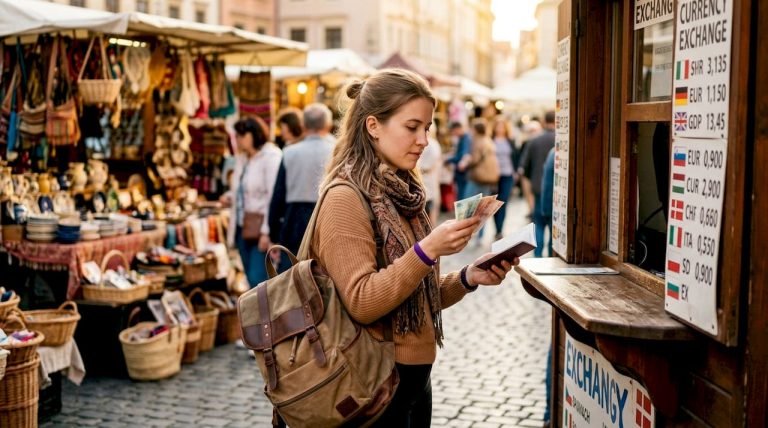
Currency exchange is one of the most overlooked areas of travel budgeting. Airport bureaux de change apply the worst rates available, often with additional service fees on top. Buying your travel money in advance from a provider with a competitive rate saves a meaningful amount on every trip abroad.
Avoiding common travel money mistakes is as important as finding the best rate. Dynamic currency conversion, where a foreign terminal offers to charge you in pounds, always costs more. Always pay in the local currency.
Prepaid multi-currency cards lock in a rate before you travel and protect you from fluctuating exchange rates. They also eliminate the risk of carrying large amounts of cash. The best prepaid travel cards for UK travellers offer low or zero transaction fees and competitive exchange rates.
Buyback rates matter too. If you return with leftover foreign currency, the rate you get back varies significantly between providers. Comparing buyback rates before you travel tells you which provider offers the best deal at both ends of your trip.
6. Smart planning habits that compound your savings
Flexibility is the most powerful budget tool available. Midweek and off-peak travel consistently delivers lower prices on both transport and accommodation. Shifting a trip by two days can cut costs by 20–30% with no change to the experience.
Combining multiple small savings creates a large cumulative effect. Booking train tickets 12 weeks ahead, using a Railcard, staying outside the city centre, eating supermarket meal deals, and visiting free museums can together reduce a trip’s total cost by several hundred pounds.
Digital tools make this planning faster. Rate-tracking apps alert you when train fares drop. Comparison platforms show accommodation prices across multiple booking sites simultaneously. Budget travel planning resources, including smart planning guides covering cost-reduction across multiple trip types, help travellers build a full picture before committing to any spend.
Prioritising your spending is the final piece. Decide what matters most to you on a trip and spend freely there. Cut back on everything else. That approach delivers a better experience than trying to reduce every cost equally.
What I’ve learned from years of watching travellers overspend
The biggest waste I see is not the expensive hotel or the fancy restaurant. It is the accumulation of small, unconsidered costs: bottled water at £2 a time, last-minute train tickets bought at the station, currency exchanged at the airport because there was no time to plan. None of these feel significant in the moment. Together, they can add £200–£300 to a short trip.
The travellers who consistently spend less are not the ones who sacrifice comfort. They are the ones who make a handful of decisions early. Book the train 12 weeks out. Get a Railcard if you travel more than twice a year. Check the exchange rate before you leave, not at the airport. These are not difficult decisions. They just require doing them before the trip rather than during it.
The other thing I have noticed is that free activities are genuinely better in the UK than almost anywhere else. The British Museum alone is worth a full day. The national parks are extraordinary. Walking a city with a downloaded route costs nothing and often reveals more than any guided tour. Budget travel in the UK is not about deprivation. It is about knowing where the value actually is.
— Jason
How Comparetravelcash helps you keep more money in your pocket
Getting the best deal on transport and accommodation is only part of the picture. The money you exchange before your trip abroad matters just as much.
Comparetravelcash compares travel money rates from multiple UK providers in one place, so you can see instantly who is offering the best deal on euros, dollars, or any other currency. The platform also covers prepaid multi-currency cards for travellers who want to lock in a rate before they leave, and currency buyback rates for anyone returning with leftover cash. Check the latest travel money rates before your next trip and make sure your currency exchange is as well planned as the rest of your holiday.
FAQ
How far in advance should I book UK train tickets?
Book at least 12 weeks ahead for the lowest advance fares. Tickets on routes like London to Manchester can drop from £140–£180 to £15–£25 when booked early.
Is a Railcard worth buying for occasional travellers?
A Railcard costs around £35 per year and gives one-third off most fares. It pays for itself within two or three return journeys on standard routes.
What is split-ticketing and is it legal?
Split-ticketing means buying separate tickets for each segment of a journey rather than one through ticket. It is entirely legal and can cut rail costs significantly on many routes.
Which UK museums are free to enter?
The British Museum, Tate Modern, National Gallery, Natural History Museum, and Victoria and Albert Museum all offer free permanent collection entry. These are among the best cultural attractions in Europe.
How can I get the best exchange rate for travel money?
Avoid airport bureaux de change, which apply the worst rates. Use a comparison platform like Comparetravelcash to find the most competitive rate from UK providers before you travel, and consider a prepaid multi-currency card to lock in your rate in advance.