Buying Turkish Lira in the UK is defined as exchanging British pounds for Turkish Lira (TRY) through an FCA-authorised provider, either online, in store, or via a digital financial app. The process is straightforward, but the difference between a good rate and a poor one can be significant. Knowing how to compare providers, understand fee structures, and time your purchase correctly puts more Lira in your pocket before you even board the plane. This guide covers every practical step UK residents need to follow in 2026, from selecting a provider to collecting your currency safely.
How to buy Turkish Lira in the UK: your options explained
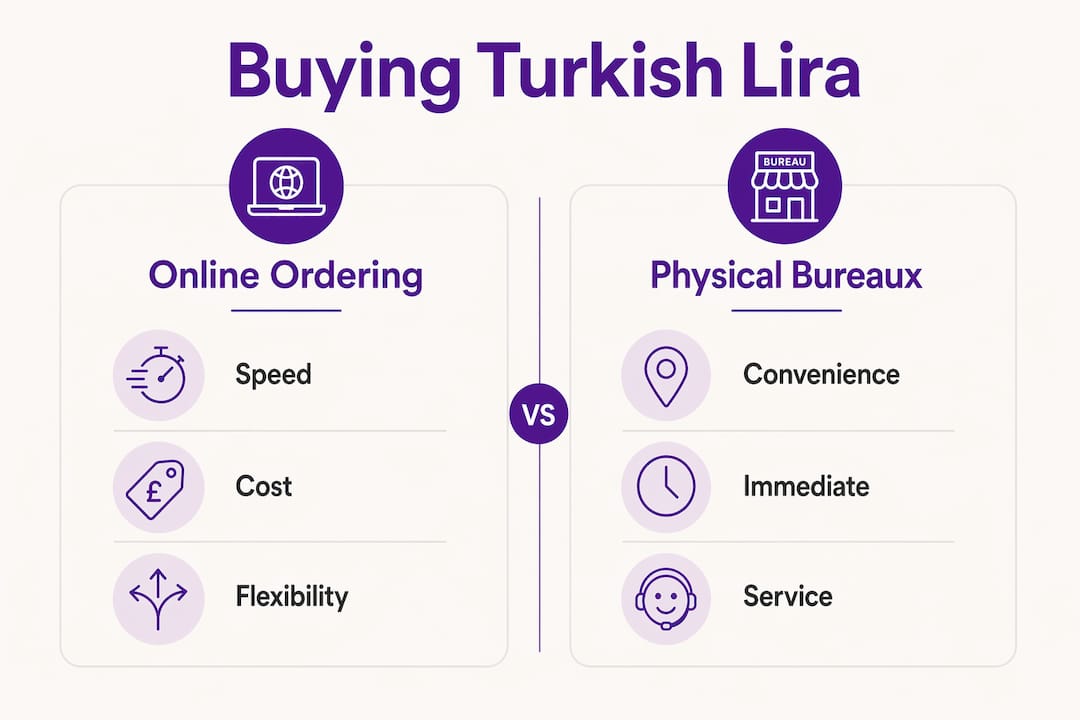
Three main methods exist for purchasing Turkish Lira in the UK: ordering online, visiting a high-street bureau de change, or using a digital financial app. Each has distinct trade-offs in cost, speed, and convenience.
Online ordering with Click & Collect or home delivery
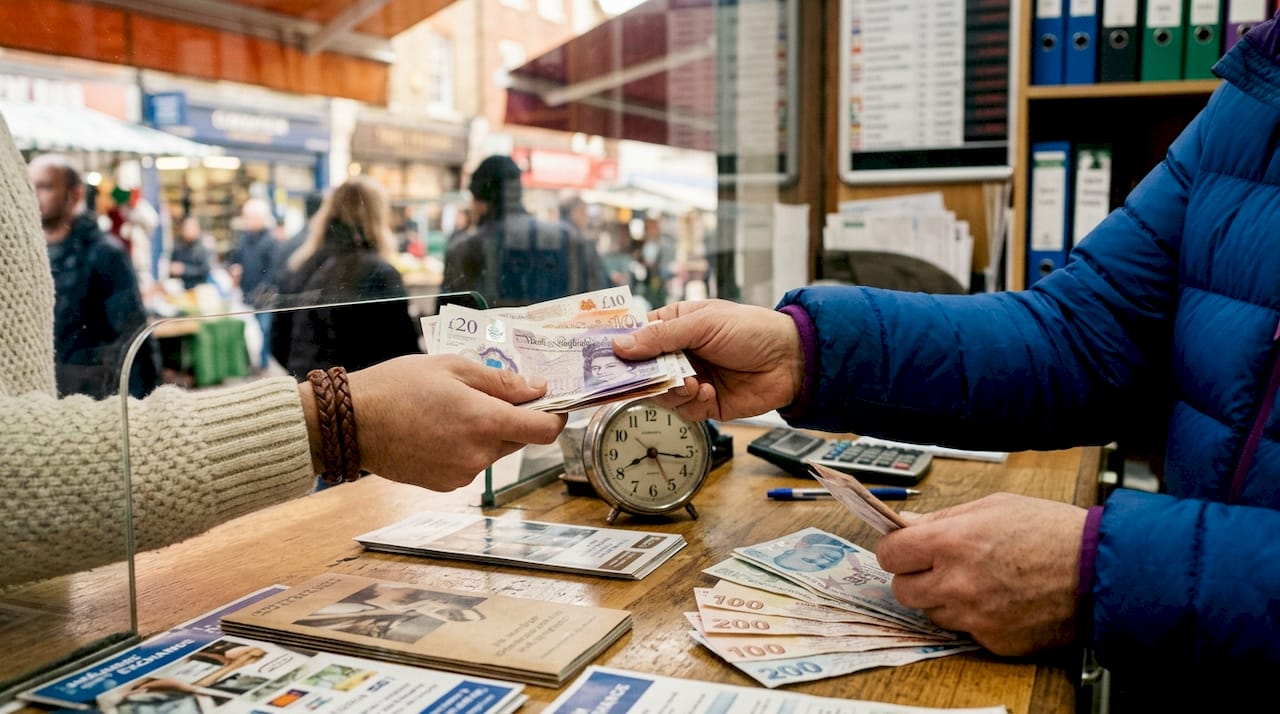
Online ordering is the most popular route for UK travellers. You place your order on a provider’s website, then either collect in store or have the currency delivered to your home.
Minimum order amounts for Turkish Lira online typically sit between £250 and £500. Home delivery is free above roughly £500, but smaller orders attract a delivery fee of approximately £4.75 to £6.00. Click & Collect is widely available at no extra charge, with some major providers offering collection at over 580 locations, sometimes in as little as 60 seconds.
Pro Tip: Order online and choose Click & Collect rather than home delivery if your order is below £500. You avoid the delivery fee entirely and still get a competitive rate.
High-street bureaux de change
Physical bureaux de change remain a solid option if you want to collect currency the same day without placing an online order in advance. Rates at high-street locations are generally better than airport exchanges, though they rarely match the best online rates. The advantage is immediacy: walk in, exchange, and leave.
Digital financial apps
Apps like Revolut allow you to track live exchange rates and set automatic conversions when the rate hits your target. This tool was previously available only to institutional traders. For travellers comfortable managing money digitally, apps offer genuine flexibility, though you will need to load funds onto a prepaid card rather than carry physical Lira.
| Method | Speed | Typical cost | Best for |
|---|---|---|---|
| Online order + delivery | 1–3 working days | Free above £500 | Larger orders, best rates |
| Click & Collect | Same day or next day | Usually free | Convenience, no delivery wait |
| High-street bureau | Immediate | Moderate markup | Last-minute purchases |
| Digital app | Instant conversion | Low spread, card-based | Tech-savvy travellers |
How do you compare Turkish Lira exchange rates and fees?
The headline exchange rate is not the full story. Total cost includes the rate spread, any commission, and delivery or collection fees. Transparent fee structures consistently deliver better overall value than providers who hide margins inside the rate.
Understanding the rate spread
The mid-market rate is the “true” exchange rate you see on Google or Reuters. Providers add a markup above this rate to make their profit. GBP to Turkish Lira rates currently fluctuate between approximately 59.2 and 61.3 TRY per pound, so even a small difference in the rate offered translates to a meaningful amount of Lira on a £500 order.
Fee structures to watch
- Delivery fees. Most providers waive home delivery charges for orders above £500, with some setting the threshold at £700. Orders below these thresholds typically incur a fee of £4 to £6.
- Commission charges. Some bureaux de change advertise “no commission” but build a wider spread into the rate instead. Always calculate the total Lira you receive, not just the headline rate.
- Card surcharges. Paying by credit card often triggers an additional fee. Debit card payments are usually cheaper or free.
- Collection fees. Click & Collect is almost universally free, making it the lowest-cost fulfilment option for most orders.
Pro Tip: Use a rate comparison tool like Comparetravelcash to see the total Lira you receive after all fees, not just the advertised rate. A slightly lower rate with zero fees often beats a higher rate with a £6 delivery charge.
Monitoring rate movements
Planning your purchase in advance and watching live rate movements gives you a real advantage. Rates shift daily. Buying when the pound is stronger against the Lira means more TRY for your money. Digital apps and comparison platforms let you set rate alerts so you are notified when your target rate is reached.
Step-by-step: how to buy Turkish Lira safely and efficiently
Follow these steps to place your order with confidence and avoid common errors.
- Verify FCA authorisation. Check that your chosen provider is authorised by the Financial Conduct Authority (FCA). This protects your money if the provider encounters financial difficulties.
- Compare total value. Use a comparison platform to calculate the actual Lira you receive after all fees. Do not rely on the advertised rate alone.
- Choose your fulfilment method. Decide between Click & Collect and home delivery based on your timeline and order size. Click & Collect at 580+ locations is the fastest option for most UK buyers.
- Place your order online. Enter the amount in pounds, select your delivery or collection preference, and confirm your payment. Note any cut-off times: orders placed after mid-afternoon may not be processed until the next working day.
- Pay by debit card where possible. Credit card payments often attract a surcharge of 1–3%. Debit card payments avoid this extra cost.
- Collect or receive your currency. For Click & Collect, bring your booking confirmation and a valid ID. For home delivery, expect 1–3 working days depending on the provider and your order value.
- Inspect your notes. Count your Lira carefully and check the notes are current issue before leaving the collection point.
What to avoid when buying Turkish Lira
- Airport exchange booths. Airport exchanges carry significantly worse rates than online or high-street providers. Treat them as an emergency option only.
- Old UK banknotes. Pre-2022 £20 and £50 notes are often rejected by Turkish banks and exchange booths. Carry only newer polymer notes when exchanging pounds in Turkey.
- Leaving it too late. Last-minute purchases, whether online or in store, reduce your ability to shop around for the best rate.
Common pitfalls and tips for getting the best value
Most travellers lose money on currency exchange not through bad luck but through avoidable habits. The biggest single mistake is buying at the airport.
“Airport currency exchange booths consistently offer significantly worse exchange rates than UK high-street providers or online specialists. Buy before you travel.”
- Avoid airport exchanges. The convenience premium at airport booths is real and costly. Even a high-street bureau on the way to the terminal will offer a better rate.
- Check your banknotes before travelling. Pre-2022 sterling notes may be refused in Turkey. Take only polymer notes if you plan to exchange pounds on arrival.
- Calculate the true cost. A provider offering 61 TRY per pound with a £6 delivery fee may give you less Lira overall than one offering 60.5 TRY with free delivery, depending on your order size.
- Set a rate alert. Digital tools and comparison platforms let you monitor live rates and automate currency purchases when your target rate is met. This removes the guesswork from timing.
- Carry small denominations. In Turkey, smaller Lira notes are easier to use for taxis, markets, and small shops. Ask your provider to include a mix of denominations when ordering.
Pro Tip: If you are travelling to Turkey regularly or managing living expenses there, consider a prepaid multi-currency card as a complement to cash. It gives you flexibility without carrying large amounts of physical currency.
Understanding foreign currency fees in full before you commit to a provider is the single most effective way to protect your budget. The difference between the best and worst rates available in the UK market can be substantial on a typical holiday spend.
My honest view on buying Turkish Lira in 2026
The market for buying Turkish Lira in the UK has genuinely improved over the past few years. Online ordering with Click & Collect is now fast, reliable, and often cheaper than anything available on the high street. That shift has been good for travellers.
What concerns me, though, is how many people still buy at the airport out of habit. The rate penalty is not marginal. On a £600 order, the difference between an airport rate and a competitive online rate can easily amount to several hundred Lira. That is a decent meal out in Istanbul, gone before you have even landed.
The rise of digital apps has added a useful layer of flexibility, particularly for travellers who visit Turkey regularly or who want to manage their spending in real time. Setting a limit order to buy Lira automatically when the rate hits your target is a genuinely useful tool. But apps are not a replacement for physical cash in Turkey, where smaller vendors and rural areas still operate predominantly in notes.
My practical advice: plan at least a week ahead, use a comparison platform to find the best total value (not just the best headline rate), and order online with Click & Collect or free home delivery. Check the Turkish Lira outlook before you buy if you have flexibility on timing. And please, check your banknotes are polymer before you pack them.
— Jason
Find the best Turkish Lira rates with Comparetravelcash
Comparing Turkish Lira rates across multiple UK providers takes minutes when you use the right tool. Comparetravelcash aggregates live rates and fees from a wide range of FCA-authorised providers, so you can see exactly how much Lira you will receive after all charges are applied.
Whether you are buying for a holiday, managing regular transfers, or planning a longer stay in Turkey, Comparetravelcash makes it straightforward to find the most competitive deal. Check the latest travel money rates from leading UK providers, or compare all Turkish Lira rates side by side in one place. If you have Lira left over after your trip, the currency buyback comparison tool helps you sell it back at the best available rate.
FAQ
What is the best place to buy Turkish Lira in the UK?
Online providers with Click & Collect or free home delivery consistently offer better rates than airport exchanges or high-street bureaux. Use a comparison platform like Comparetravelcash to find the best total value after all fees.
What is the current GBP to Turkish Lira exchange rate?
GBP to TRY rates currently fluctuate between approximately 59.2 and 61.3 TRY per pound. Rates change daily, so monitor live rates before placing your order.
Can I buy Turkish Lira with a credit card in the UK?
Yes, most providers accept credit cards, but a surcharge of 1–3% typically applies. Paying by debit card avoids this extra cost and is the recommended payment method.
How much do I need to order to get free home delivery?
Most UK providers waive home delivery fees for orders above £500, with some setting the threshold at £700. Orders below these amounts typically incur a fee of £4.75 to £6.00.
Are old UK banknotes accepted in Turkey?
Pre-2022 £20 and £50 sterling notes are often refused by Turkish banks and exchange booths. Carry only newer polymer notes if you plan to exchange pounds once you arrive in Turkey.