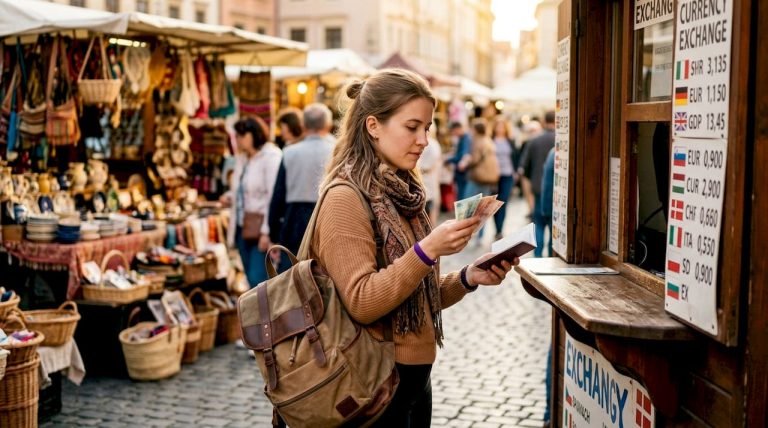
Buying foreign currency is one of those tasks that feels simple until you realise how much it can cost you. Many UK travellers lose over £100 on a single trip simply by choosing the wrong provider or leaving the purchase too late. Airport kiosks alone can cost you £169 more on a £1,000 euro order compared to better alternatives, while high street banks routinely charge 2.75% to 5% in foreign exchange fees. This guide walks you through every step, from estimating your budget to collecting your cash, so you can travel with more money in your pocket.
Table of Contents
- What to prepare before buying foreign currency
- Comparing your currency purchase options
- How to buy: step-by-step guide to getting the best deal
- Prepaid cards, cash or banks: what to use when
- Why small savings on foreign currency make a big difference
- Find and compare the best currency deals for your next trip
- Frequently asked questions
Key Takeaways
| Point | Details |
|---|---|
| Plan ahead | Buying currency early unlocks lower rates and more options compared to last-minute purchases. |
| Choose providers wisely | Online specialists and comparing offers saves up to 17% versus airport or bank rates. |
| Mix cash and cards | Combining prepaid cards and emergency cash lets you avoid blocks, fees, and acceptance issues abroad. |
| Compare buy-back deals | Checking providers for selling unused currency means you keep more of your money when returning home. |
What to prepare before buying foreign currency
Now that you know the stakes, let’s cover what you need to get the best deal before you even start shopping for currency.
Getting organised before you buy is the single most effective way to save money. Most travellers skip this step entirely and end up making rushed, expensive decisions. A little preparation changes that.
Estimate how much you actually need
Start by calculating your daily spend and multiplying it by the number of days you’ll be away. Factor in meals, transport, activities, tips, and a small emergency buffer of around 10% to 15%. Overbuying means you’ll need to sell currency back at a worse rate. Underbuying means you’ll be forced to exchange at the airport or a local kiosk, which is almost always expensive.
Documents you’ll need
Most providers require identification for larger purchases. Here’s what to have ready:
- Valid passport or government-issued photo ID
- Proof of address (utility bill or bank statement dated within three months)
- Payment method (debit card, credit card, or bank transfer depending on the provider)
- For very large orders (typically above £5,000), some providers may require additional anti-money laundering documentation
Online vs in person: a quick comparison
| Factor | Online specialist | High street bank | In-store bureau |
|---|---|---|---|
| Exchange rate | Competitive | Poor to average | Variable |
| Fees | 0.3% to 1.5% | 2.75% to 5% | Variable |
| Convenience | High (home delivery) | Moderate | Moderate |
| Speed | 1 to 3 days delivery | Same day | Same day |
| ID required | Yes (for large orders) | Yes | Yes |
The cost differences between providers are significant enough to justify spending 15 minutes comparing before you buy. That time investment can easily save £50 to £150 on a family holiday.
Ordering in advance for rare currencies
If you’re travelling to a less common destination, such as Vietnam, Morocco, or Jordan, not every provider will stock the local currency. Some online specialists need three to five working days to source it. Check availability early. Leaving it until the week before departure can force you into an expensive last-minute purchase.
Pro Tip: Use a comparison site to check rates for your specific currency before you commit to any provider. Small differences in the rate per pound can add up to a meaningful sum, especially for larger orders. Explore travel money saving tips for a fuller picture of where savings can be found, and review your currency exchange options to understand the full landscape.
Comparing your currency purchase options
With your documents and budget ready, the next step is knowing where to buy — and why your choice matters so much.
Not all currency providers are equal. The difference between the best and worst options is not marginal. It can be the difference between affording an extra night out or not.
The main options for UK travellers
| Provider type | Typical fee | Rate quality | Best for |
|---|---|---|---|
| Online specialist | 0.3% to 1.5% | Excellent | Pre-trip planning |
| Prepaid currency card | Low to moderate | Good | Budget control |
| High street bank | 2.75% to 5% | Poor | Emergency only |
| Airport kiosk | Up to 17% markup | Very poor | Absolute last resort |
| Post Office | Low to moderate | Good | Convenience |
The airport kiosk problem
This point cannot be overstated. Airport kiosks can cost £169 more on a £1,000 euro purchase compared to online specialists. That figure is not a rounding error. It reflects a genuine and consistent pricing gap. Airport providers know you’re under time pressure and have limited alternatives. They charge accordingly.
Some airport kiosks advertise “0% commission” in large letters. What they don’t advertise is the poor exchange rate built into the transaction. The markup is simply hidden in the rate rather than shown as a separate fee. The result is the same: you receive far fewer euros, dollars, or baht for your pounds.
Online specialists: the value case
Online currency specialists typically offer the most competitive rates because their overheads are lower and they operate in a competitive market. You can compare rates across multiple providers in minutes, pre-order your currency, and either have it delivered to your home or collect it at a designated branch or partner location.
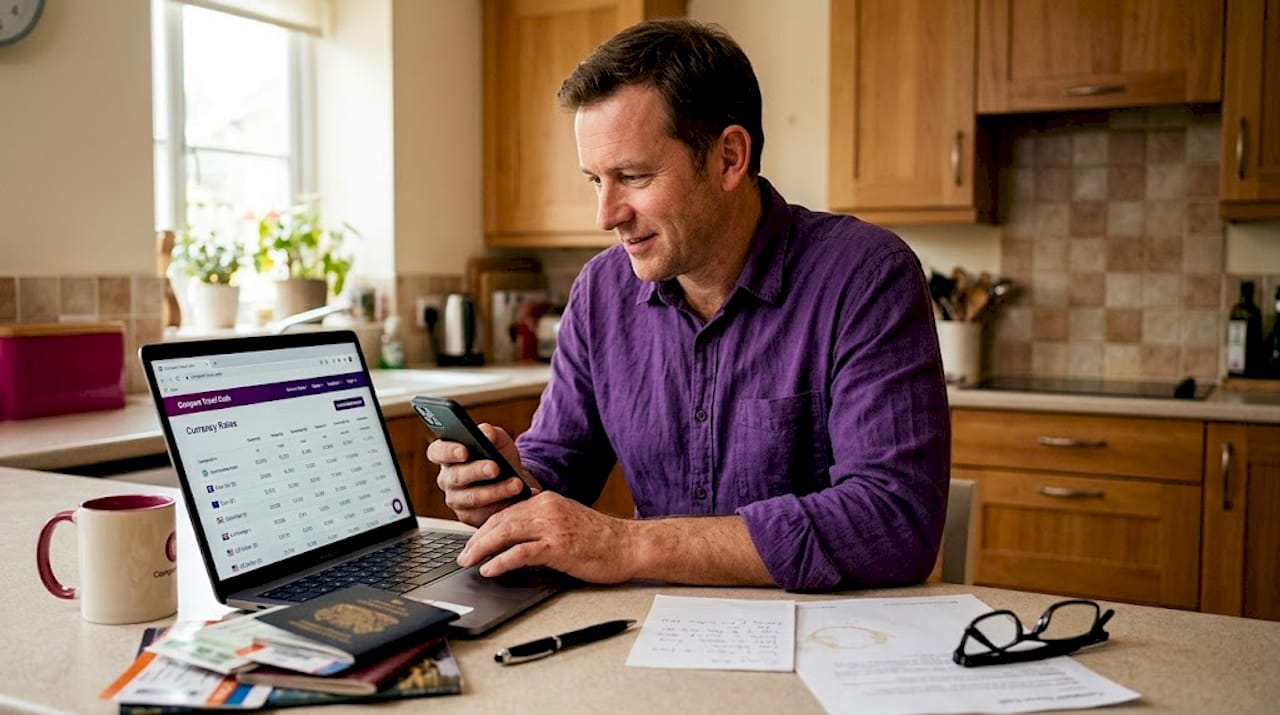
The trade-off is timing. You need to plan ahead. Same-day or next-day delivery is available from some providers, but the very best rates often come with standard delivery windows of two to three working days.
High street banks: convenient but costly
Your bank is not your friend when it comes to foreign currency. Most UK high street banks apply a markup of 2.75% to 5% on the mid-market rate (the real exchange rate you see on Google). Some also add a flat service fee on top. For a £1,500 holiday budget, that could mean losing £75 before you’ve even boarded the plane.
Understanding the difference between buying online vs high street is essential for any traveller serious about value. And if you’re tempted to grab currency at the airport as a backup plan, read about airport bureau de change pitfalls first.
How to buy: step-by-step guide to getting the best deal
Once you’ve compared your options, follow these steps to lock in the very best rate and experience.
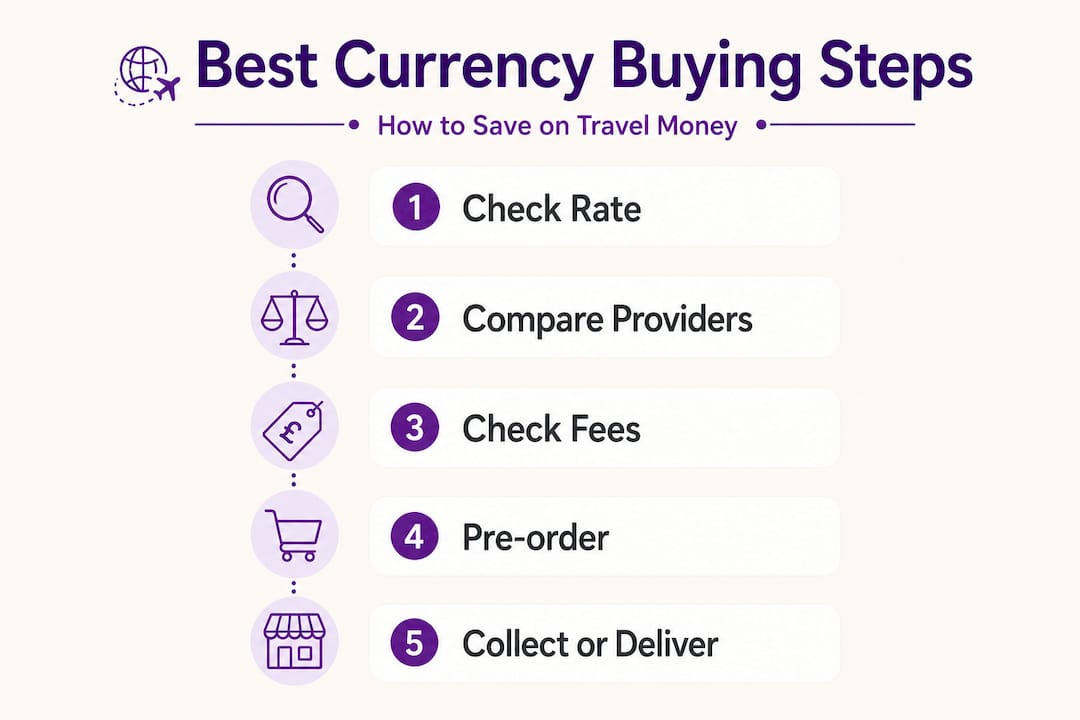
Step 1: Check the mid-market rate
Before you buy anything, look up the real exchange rate on a neutral source such as Google or XE.com. This is the mid-market rate, the baseline rate banks use to trade between themselves. Any rate you’re offered will be slightly worse than this, but knowing the benchmark helps you spot a bad deal immediately.
Step 2: Compare rates across multiple providers
Don’t rely on a single quote. Use a comparison tool to check rates from at least three to five providers for your chosen currency. Pay attention to the total amount you’ll receive, not just the headline rate. Some providers advertise attractive rates but add fees at checkout that reduce the final amount.
Step 3: Check for hidden fees
Look for delivery charges, service fees, and minimum order thresholds. Some providers offer free delivery above a certain order value, which can make a meaningful difference. Online specialists typically charge 0.3% to 1.5% compared to 2.75% to 5% at banks, so the savings from switching are real and immediate.
Step 4: Pre-order and confirm delivery or collection
Once you’ve chosen a provider, place your order with enough lead time. Confirm the delivery address carefully. If you’re using a click-and-collect service, double-check the collection point location and opening hours. Missing a collection window can leave you scrambling at the last minute.
Step 5: Avoid dynamic currency conversion abroad
This is one of the most common and costly mistakes travellers make. When paying by card abroad, a terminal may offer to charge you in pounds rather than the local currency. Always decline. This is called dynamic currency conversion, and the exchange rate applied is typically very unfavourable. Always choose to pay in the local currency and let your card or bank handle the conversion.
Warning: Never rely on collecting currency at the airport as your primary plan. Even if a provider has an airport branch, rates there are almost always worse than the same provider’s online rate. Book online, collect in advance.
Pro Tip: Learn to spot bad exchange rates before you travel, and consider the benefits of using online currency exchange to lock in a rate days before your departure.
Prepaid cards, cash or banks: what to use when
Having got your cash sorted, here’s how to decide whether to spend with cash, card, or a mix abroad.
There’s no single right answer. The best approach depends on your destination, your spending habits, and how much risk you’re comfortable with.
When cash is the right choice
Cash remains essential in many parts of the world. Rural areas, local markets, small guesthouses, and street food vendors often don’t accept cards at all. In countries such as Morocco, Vietnam, or parts of Eastern Europe, cash is not just preferred, it’s required for many transactions. Carrying enough local currency for your first day, including transport from the airport, is always a sensible precaution.
When prepaid currency cards make sense
Prepaid currency cards let you load a set amount of money at a fixed exchange rate. This protects you from rate fluctuations during your trip. If the pound weakens while you’re away, your spending power remains the same because you locked in the rate when you loaded the card.
Prepaid cards lock in your rate and add a layer of security. If the card is lost or stolen, you can freeze it immediately and request a replacement, without losing access to your main bank account. This separation of funds is a genuine safety advantage.
Key benefits of prepaid currency cards:
- Fixed exchange rate once loaded
- Separate from your main bank account
- Easy to freeze if lost or stolen
- Accepted at most card terminals and ATMs
- Some cards offer multiple currency wallets
When standard debit or credit cards work
Some specialist travel credit cards offer near mid-market rates with no foreign transaction fees. Cards from providers such as Starling, Monzo, or Chase (UK) are popular choices. However, standard UK debit and credit cards from high street banks typically charge 2.75% to 3% on every foreign transaction, which adds up quickly over a two-week holiday.
There’s also the risk of your card being blocked abroad. Banks sometimes flag overseas transactions as suspicious and freeze the card. Always notify your bank before travelling, and carry a backup payment method.
The mixed approach: the safest strategy
Most experienced travellers use a combination. Carry enough cash for the first day or two, use a prepaid card or specialist travel card for most spending, and keep a small emergency cash reserve separate from your main wallet. Explore the full cash vs currency card debate and compare best prepaid card deals to find the right fit for your trip.
Why small savings on foreign currency make a big difference
With the main methods covered, let’s reflect on why these small differences really matter and how most travellers miss out.
Here’s the uncomfortable truth: most people spend more time choosing a restaurant for their holiday than they spend choosing where to buy their currency. The result is that they routinely lose £50 to £170 on a transaction that takes less than ten minutes to do properly.
A 1% difference in exchange rate on a £2,000 currency purchase is £20. That might sound modest. But a 10% difference, which is entirely possible when comparing online specialists to airport kiosks, is £200. For a family of four exchanging £4,000, that gap becomes £400 or more. That’s a day trip, a nice dinner, or a significant contribution to next year’s holiday fund.
The myth that “all providers are roughly the same” is simply not true. The spread between the best and worst providers in the UK market is consistently wide. It has been measured, documented, and reported repeatedly. Yet the majority of travellers still buy currency at the airport or from their bank out of habit.
Rate differences also compound across multiple trips. If you travel abroad three times a year and lose £80 each time through poor currency choices, that’s £240 a year. Over five years, that’s £1,200 gone on avoidable fees and poor rates. The savings from using a comparison tool and a reputable online specialist are not trivial. They are meaningful.
The other factor people underestimate is the psychological cost of poor planning. Running out of local currency in a foreign country, or discovering your card has been blocked, creates real stress. Good preparation removes that risk entirely.
Reviewing how to get the best travel money rates before every trip, even a familiar destination, is a habit that pays for itself every single time.
Find and compare the best currency deals for your next trip
Ready to take action? Here’s where to compare deals and lock in savings for your own trip.
CompareTravelCash.co.uk makes it straightforward to find the best rates available in the UK right now. You can compare live rates from multiple providers in one place, including cash delivery, click-and-collect, and prepaid card options. Whether you’re heading to Europe, the US, or further afield, the comparison tools show you exactly how much you’ll receive for your pounds before you commit.
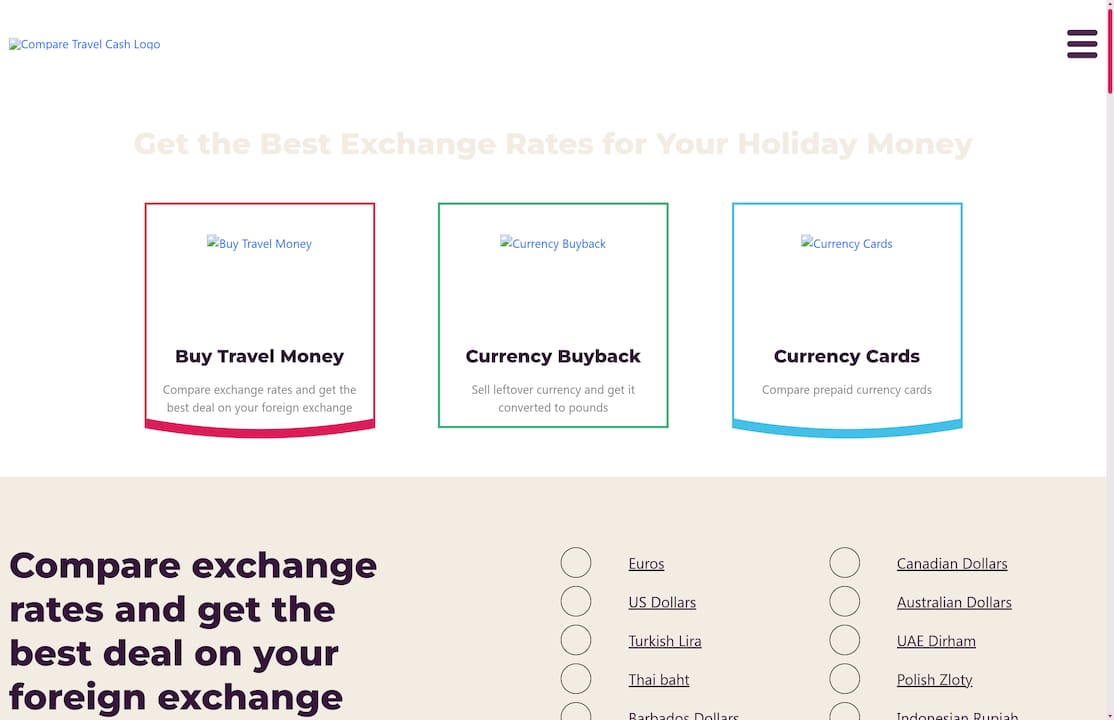
Check current rates from trusted providers such as Hays Travel currency rates and M&S exchange rates, or browse currency card comparisons to find a prepaid option that suits your travel style. Rates change daily, so it’s worth checking even if you’ve used the same provider before. A few minutes of comparison before every trip is the simplest habit you can build to protect your travel budget.
Frequently asked questions
How far in advance should I buy foreign currency?
Ideally, compare and buy currency at least a week before you travel to secure the best rates and allow time for home delivery or a convenient collection. Leaving it any later limits your options and often forces a more expensive purchase.
Should I buy currency at the airport or in advance?
Buying in advance is almost always cheaper. Airport kiosks cost £169 more on a £1,000 euro order compared to online specialists, making advance planning the clear winner on value.
Are prepaid currency cards better than cash?
Prepaid cards lock in your exchange rate and are safer than carrying large amounts of cash, but you should always carry some cash for emergencies or destinations where cards aren’t accepted.
What documents do I need to buy foreign currency?
Most providers require a valid passport and proof of address for large orders or first-time customers, so have a recent utility bill or bank statement ready alongside your photo ID.
Can I sell unused foreign currency when I return?
Yes, many providers offer buy-back services, but rates vary widely between providers. Always compare buy-back rates before selling to avoid losing more value on the return transaction.