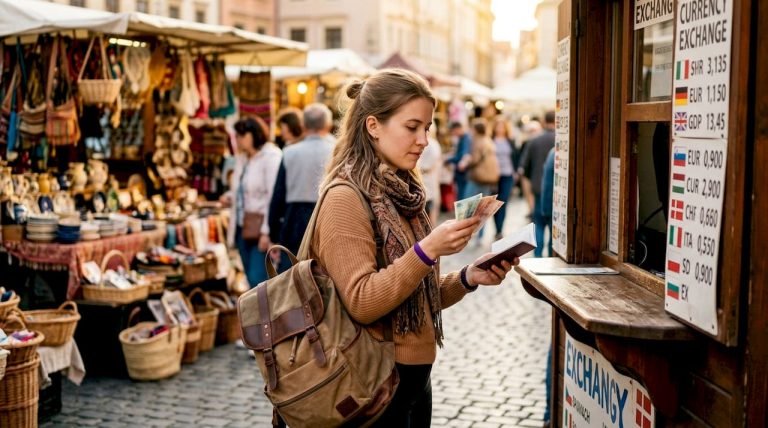
Most UK travellers lose money on currency exchange before they’ve even left the airport. The culprit is rarely dramatic fraud. It’s quiet: a 3% foreign transaction fee here, a dynamic currency conversion markup there, and the reflexive choice to exchange cash at the first bureau de change you spot past security. Following the right tips for exchanging money abroad can realistically save you £40 or more per trip. Traditional card users paid on average £47 more per trip than those using digital multi-currency accounts. That’s a meaningful dent in your travel budget for what amounts to easily avoidable decisions.
Table of Contents
- 1. Tips for exchanging money abroad: know the fees before you travel
- 2. Use specialist travel cards to avoid foreign transaction fees
- 3. Always pay in local currency and refuse DCC
- 4. Pre-order currency before travel and avoid airport exchanges
- 5. Smart strategies for managing cash on the road
- 6. Comparison of common exchange methods for UK travellers
- My honest take on currency exchange habits
- Find the best rates before your next trip with Comparetravelcash
- FAQ
1. Tips for exchanging money abroad: know the fees before you travel
Before you even think about where to exchange money overseas, you need to understand how costs are structured. Most travellers fixate on the exchange rate but miss the charges sitting alongside it.
Here are the main costs to watch for:
- Foreign transaction fees. Standard UK bank cards charge 2.75% to 3% on every overseas purchase. Specialist travel cards often charge 0%.
- ATM withdrawal fees. Some banks charge a flat fee per withdrawal abroad, on top of a percentage. These compound fast if you withdraw small amounts frequently.
- Dynamic currency conversion (DCC) markups. A hidden charge applied when a merchant converts your bill to pounds at the point of sale. More on this shortly.
- Bureau de change margins. The difference between the mid-market rate and what you’re actually offered. Airport bureaux are particularly aggressive here.
Timing matters too. Exchange rates shift daily, sometimes significantly around economic announcements or political events. Monitoring rates in the weeks before departure using a multi-currency app or comparison tool gives you a clearer sense of fair value, so you can recognise a poor rate when you see one.
2. Use specialist travel cards to avoid foreign transaction fees
The single most effective money exchange strategy for most UK travellers is switching to a card that charges no foreign transaction fees. Cards from providers like Starling, Monzo, and Chase apply the mid-market exchange rate with zero markup on purchases abroad. That means you get the same rate banks trade at between themselves, with no percentage added on top.
Key points on using travel cards well:
- Carry at least two cards from different networks. Carrying a Visa and a Mastercard from different issuers protects you if one network has an acceptance issue in a particular country. Keep them in separate places so a lost wallet doesn’t leave you without options.
- Avoid cash advances on credit cards. Using a credit card to withdraw cash abroad triggers an immediate cash advance fee, often 3% or more, plus interest from day one. Use a fee-free debit travel card for ATM withdrawals instead.
- Enable transaction notifications. Banking apps notify you instantly for every overseas transaction, which helps you spot unexpected charges or potential fraud before they escalate.
Pro Tip: If you’re travelling to a destination where card acceptance is patchy, like rural parts of Southeast Asia or Eastern Europe, pair your travel card with a small amount of pre-ordered cash. Don’t rely entirely on either.
3. Always pay in local currency and refuse DCC
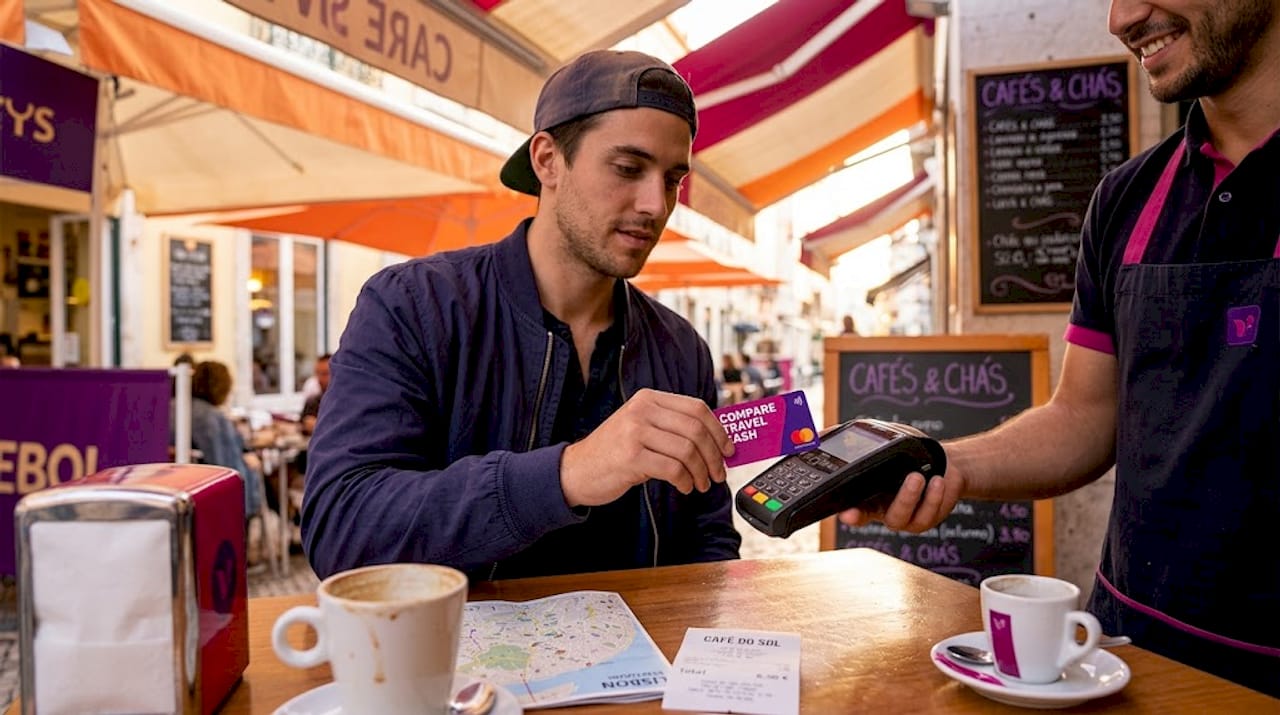
Dynamic currency conversion is one of the most expensive traps in travel finance. When you pay at a terminal abroad and a screen asks whether you’d like to pay in pounds or the local currency, choosing pounds seems convenient. It isn’t. You’re handing the merchant’s bank the right to set their own exchange rate, and DCC markups typically range from 3% to 18% per transaction. For a £2,000 holiday spend, that could mean £360 lost to a single recurring mistake.
DCC appears in three main situations:
- ATMs abroad. The machine asks if you want to be charged in pounds. Always decline and select the local currency.
- Shops and restaurants. The card terminal may present the option after you tap or insert your card.
- Hotels. Particularly common at check-in and checkout when settling bills. Scrutinise the currency shown on any receipt before signing.
Financial expert Martin Lewis advises always paying in local currency rather than accepting merchant conversion. If staff seem confused or push back, a clear, polite phrase works well.
“Please charge me in the local currency. I do not accept dynamic currency conversion.”
One underappreciated point: the worst DCC decisions happen when you’re tired or rushed. After a long flight or in a busy queue, you’re more likely to tap ‘accept’ without reading the screen. Deciding in advance, before you travel, that you will always choose local currency removes that moment of vulnerable impulse. Pre-commitment is a practical tool, not just a platitude.
4. Pre-order currency before travel and avoid airport exchanges
Airport exchange bureaux operate on the assumption that you’re out of options and in a hurry. Both things are usually true, which is why their rates tend to be among the worst available. The same applies to hotel exchanges, which often add a further convenience premium. These are not places to exchange money overseas if you can avoid it.
The smarter approach is to pre-order currency before departure through a trusted provider with transparent rates. This lets you lock in a competitive rate, collect your currency before you reach the airport, and arrive at your destination with cash ready.
| Exchange method | Typical rate quality | Extra fees | Best for |
|---|---|---|---|
| Pre-ordered online | Good to excellent | Low or none | Most travellers |
| High street bureau | Moderate | Sometimes | Backup top-ups |
| Airport exchange | Poor | Often high | Emergency use only |
| Hotel exchange | Poor | High | Avoid if possible |
| Local bank ATM (abroad) | Good | Low with right card | Larger withdrawals |
When you do need cash from an ATM abroad, use a local bank’s machine rather than a standalone kiosk in a tourist area. Bank ATM withdrawals offer better rates and lower fees than airport or hotel exchange bureaux. Withdraw in larger amounts less frequently. Three withdrawals of £150 cost you far less in per-transaction fees than nine withdrawals of £50.
Pro Tip: If you regularly travel to the same destination, consider holding onto leftover foreign currency rather than converting it back at poor rates. But if you do need to sell it, compare buyback rates before you commit to any provider.
5. Smart strategies for managing cash on the road
Having a card strategy is the foundation, but cash remains unavoidable in many destinations. Markets, small guesthouses, taxis, and rural areas often accept nothing else. The goal is to carry enough cash to cover those situations without holding more than you need.
A practical rule of thumb: estimate your cash needs for the first two to three days, cover that with pre-ordered currency, and replenish through local bank ATMs as needed. This avoids the twin pitfalls of carrying too much cash (security risk) and scrambling for exchange at unfavourable rates mid-trip.
Regularly checking FX rates during travel, not just before departure, helps you decide whether to top up early or wait. If the rate moves significantly in your favour mid-trip, a larger ATM withdrawal at that moment makes sense.
For leftover currency at the end of a trip, avoid the airport kiosks at the destination too. Exchange leftover foreign currency at local banks before you leave the country, where you’ll typically get a far better buyback value than at the departure terminal.
6. Comparison of common exchange methods for UK travellers
Here’s a clear side-by-side view of how the most common options stack up for UK travellers in 2026.
| Method | Exchange rate quality | Foreign fees | Safety | Verdict |
|---|---|---|---|---|
| Specialist travel card (Starling, Monzo, Chase) | Excellent (mid-market) | 0% | High | Best everyday option |
| Prepaid multi-currency card | Good | Low, varies by provider | High | Strong for budgeting |
| Standard UK bank card | Moderate | 2.75% to 3% | High | Costly for regular use |
| Airport bureau de change | Poor | High margin built in | Medium | Emergency only |
| Hotel exchange counter | Poor | Very high margin | Medium | Avoid |
| Local bank ATM abroad | Good | Low with right card | Medium | Good for cash top-ups |
The best choice for most trips is a combination: a specialist travel card as your primary spending tool, a small amount of pre-ordered cash for markets and smaller vendors, and a backup card from a different network stored separately. That combination handles the vast majority of situations without leaving you exposed to poor rates or high fees.
My honest take on currency exchange habits
I’ve seen too many savvy travellers undo weeks of trip planning by making impulsive, costly decisions with their money once they land. The irony is that the biggest financial mistakes abroad rarely involve scams or theft. They involve saying yes to DCC because the queue was long, or grabbing cash at the airport because it felt easier. Convenience carries a premium cost, and the travel money industry is built on charging you for it.
What I’ve learned is that the travellers who consistently come out ahead don’t chase the perfect rate. They build smart, repeatable habits: pre-ordering currency using a comparison platform, carrying two fee-free cards from different networks, and deciding before they leave home that they will always pay in local currency. Those three habits alone eliminate most of the avoidable costs.
The psychological trap is real. When you’re jet-lagged, unfamiliar with the currency, and just want to pay and get on with your trip, every friction point feels like a good reason to accept the default. But proactive refusal of DCC, practised before you travel, turns that decision into a reflex. You stop thinking about it and just do it correctly.
The savings aren’t life-changing on a single trip. But for anyone who travels multiple times a year, the compound effect of getting this right adds up to a noticeably larger travel budget over time. That’s worth a couple of hours of preparation before every trip.
— Jason
Find the best rates before your next trip with Comparetravelcash
Getting the preparation right starts with knowing which providers actually offer competitive rates. That’s where Comparetravelcash comes in.
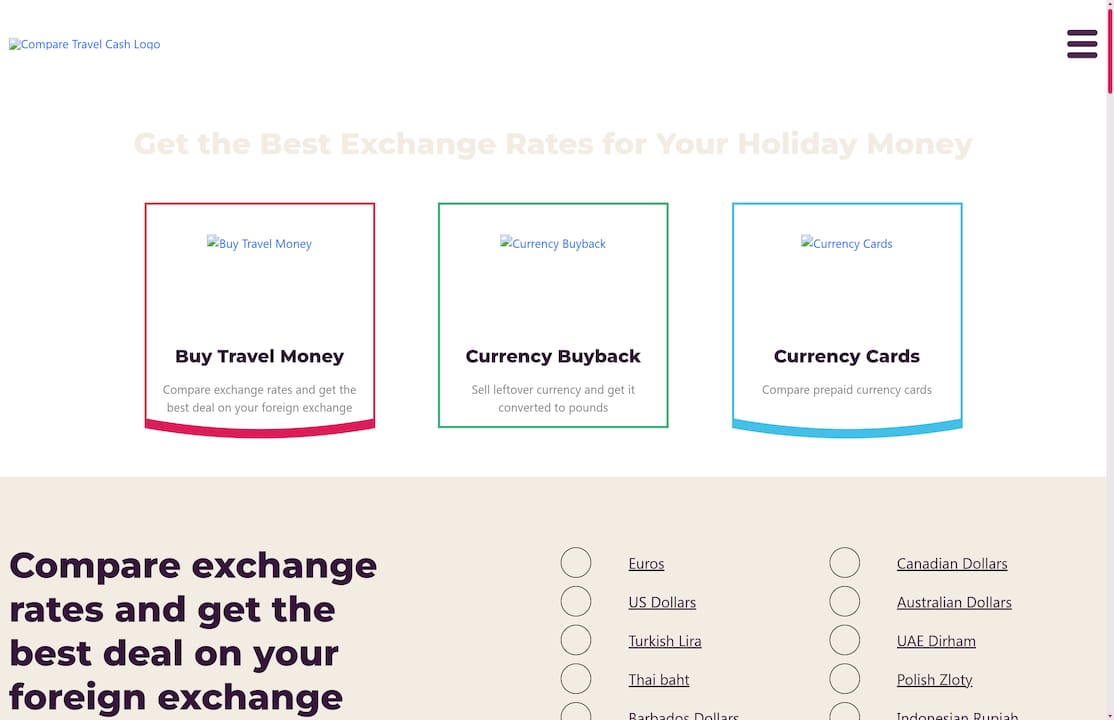
Comparetravelcash aggregates live travel money exchange rates from providers across the UK, so you can see at a glance who’s offering the best deal for your currency before you commit to anything. Whether you’re comparing travel money rates ahead of a summer holiday or looking at the latest Hays Travel rates for a specific currency, the platform puts the information in one place. You can also compare prepaid multi-currency cards to find the option that fits your trip, and check buyback rates for any leftover currency when you return. Rates are updated regularly to reflect 2026 market conditions, so you’re always comparing current figures rather than outdated data.
FAQ
What are the best tips for exchanging money abroad?
Use a specialist travel card with no foreign transaction fees, always pay in local currency to avoid DCC markups, and pre-order cash through a reputable comparison platform before you travel rather than exchanging at the airport.
Is it cheaper to exchange money before or after travelling?
Pre-ordering currency before travel generally offers better rates than exchanging at airports or hotels abroad. Using a fee-free travel card and withdrawing cash from local bank ATMs at your destination is also a cost-effective approach.
What is dynamic currency conversion and why should I avoid it?
Dynamic currency conversion (DCC) occurs when a merchant converts your transaction to pounds at the point of sale using their own exchange rate, which typically adds a markup of 3% to 18% compared to paying in local currency.
Should I use a credit card or debit card abroad?
A fee-free debit travel card is usually the better choice. Credit card cash withdrawals abroad attract immediate fees and interest. If you use a credit card for purchases, make sure it has no foreign transaction fees.
Where is the worst place to exchange money overseas?
Airport bureaux de change and hotel exchange counters consistently offer the poorest rates. They rely on captive audiences with few alternatives, and their margins are significantly higher than online providers or local bank ATMs.